• About
  • Services
    • Tree Care Services
    • Landscape Maintenance
    • Landscape Design & Installation
    • Irrigation Services
  • Reviews
  • Careers
  • Blog
  • Contact
  • About
  • Services
  • Projects
  • People
  • Reviews
  • Careers
  • Blog
  • Contact

Irrigation Sevices

We are experts in irrigation along with sprinkler systems, water features, and storm water management.

Request Service

"*" indicates required fields

Choose Service(s)*
Service type
What is the preferred time to call you?

Your Information

Name*
Home / Page / Irrigation Services

Irrigation Services

Maui’s unique climate and diverse microclimates, ranging from Lahaina’s dry leeward coast to Wailea’s resort areas, require irrigation systems that can adapt to varying rainfall patterns, soil types, and water restrictions.

At He-Man Landscaping, we’ve spent over a decade mastering the art and science of irrigation design and installation across Maui County. Our team understands that a properly designed irrigation system isn’t just about keeping your landscape green—it’s about maximizing water efficiency while maintaining the lush, tropical appearance that makes Maui properties so desirable.

The challenges of irrigating on Maui extend far beyond simply installing sprinklers. Salt-laden trade winds can corrode equipment within months if inferior materials are used, while the island’s volcanic soil creates drainage issues that require specialized knowledge to address appropriately.

In Lahaina, where rainfall averages just 13 inches annually, we design systems that maximize every drop of available water. Conversely, in Kahului’s more temperate climate, we focus on managing seasonal variations that can shift from drought conditions to heavy winter rains. Our experience across these diverse environments has taught us that successful irrigation on Maui requires both technical expertise and a deep understanding of local conditions.

Whether you’re managing a residential property in Kahului’s residential neighborhoods or maintaining commercial landscaping in Wailea’s luxury developments, we design and install irrigation systems tailored to your specific site conditions. Our expertise spans from traditional spray systems and drip irrigation to smart controller technology that adjusts watering schedules based on weather conditions and seasonal changes. We work with leading manufacturers to ensure your system delivers reliable performance year after year, even in Maui’s challenging salt air and intense UV conditions.

Water conservation isn’t just environmentally responsible on Maui—local regulations and HOA guidelines often require it. Our irrigation designs prioritize efficiency through zone-specific programming, moisture sensors, and targeted delivery methods that reduce waste while ensuring optimal plant health. We carefully consider factors like prevailing trade winds, seasonal rainfall variations, and the specific water needs of both native Hawaiian plants and introduced landscaping species. This local knowledge enables us to design systems that align with Maui’s natural patterns, rather than against them, often resulting in a 30-50% reduction in water usage compared to conventional irrigation approaches.

Every irrigation project begins with a thorough site assessment where we evaluate your property’s topography, soil conditions, existing plantings, and water pressure capabilities. From there, we develop a comprehensive plan that addresses current needs while allowing for future landscape changes or expansions. Our installation process minimizes disruption to your existing landscape, and we take pride in clean, professional work that protects your property’s aesthetic appeal throughout the project.

We utilize professional-grade trenching equipment and carefully restore all disturbed areas, ensuring your property looks better than it did before we arrived.

Our commitment to quality extends well beyond the installation phase. We provide detailed system training to property owners and their maintenance staff, ensuring everyone understands how to operate and maintain their new irrigation system effectively. This educational approach has proven invaluable, as properly trained users can often identify and address minor issues before they become costly repairs. We also offer flexible maintenance programs that range from seasonal tune-ups to comprehensive year-round service contracts, allowing property owners to choose the level of support that best fits their needs and budget.

When you choose He-Man Landscaping for your irrigation needs, you’re partnering with a local team that stands behind our work with comprehensive warranties and responsive service support. We maintain strong relationships with local suppliers and parts distributors, ensuring quick response times for maintenance needs or system adjustments.

Our goal is to deliver irrigation solutions that provide years of trouble-free operation while supporting the health and beauty of your Maui landscape investment. We understand that our reputation depends on the long-term success of every system we install.

Design & Installation

  • Custom irrigation system design tailored to your property’s unique needs
  • Professional installation of spray irrigation systems for lawns and large areas
  • Drip irrigation installation for gardens, flower beds, and water-sensitive plants
  • Micro-spray system installation for shrubs and ground cover areas
  • Underground sprinkler system installation with proper trenching and backfill
  • Irrigation zone planning and controller placement for optimal coverage
  • Water pressure testing and pump installation when needed
  • Backflow preventer installation and certification for county compliance

Smart Irrigation Technology

  • Smart controller installation with weather-based scheduling
  • Soil moisture sensor integration for automated watering adjustments
  • Rain sensor installation to prevent unnecessary watering during storms
  • Wi-Fi-enabled system setup for remote monitoring and control
  • Water flow monitoring systems to detect leaks and inefficiencies
  • ET (evapotranspiration) controller programming for maximum water savings

System Repairs & Maintenance

  • Sprinkler head repair and replacement for all major brands
  • Irrigation line leak detection and repair using specialized equipment
  • Controller troubleshooting and programming adjustments
  • Valve repair and replacement for zone control issues
  • Nozzle cleaning and adjustment for proper spray patterns
  • Seasonal system startup and winterization services
  • Pressure regulation and flow rate optimization
  • Timer and scheduling program updates

Water Conservation Services

  • Irrigation efficiency audits to identify water waste and savings opportunities
  • Conversion from spray systems to drip irrigation, where appropriate
  • High-efficiency nozzle upgrades for existing spray systems
  • Irrigation scheduling optimization based on plant water requirements
  • Water budget planning and monitoring for HOA compliance
  • Native and drought-tolerant plant irrigation design
  • Mulch and ground cover recommendations to reduce water needs

Specialized Services

  • Irrigation system expansion for new landscape additions
  • Temporary irrigation setup for new plantings and construction projects
  • Pool and spa fill line installation with proper backflow protection
  • Outdoor misting system installation for cooling and dust control
  • Agricultural and commercial irrigation system design and installation
  • HOA and commercial property irrigation management and maintenance contracts

Emergency & Rapid Response

  • 24/7 emergency leak repair service
  • Same-day service calls for urgent irrigation issues
  • Storm damage assessment and rapid system restoration
  • Broken pipe and fitting emergency repairs
  • Controller replacement for system failures
  • Quick valve shutoff service to prevent property damage

Design & Installation

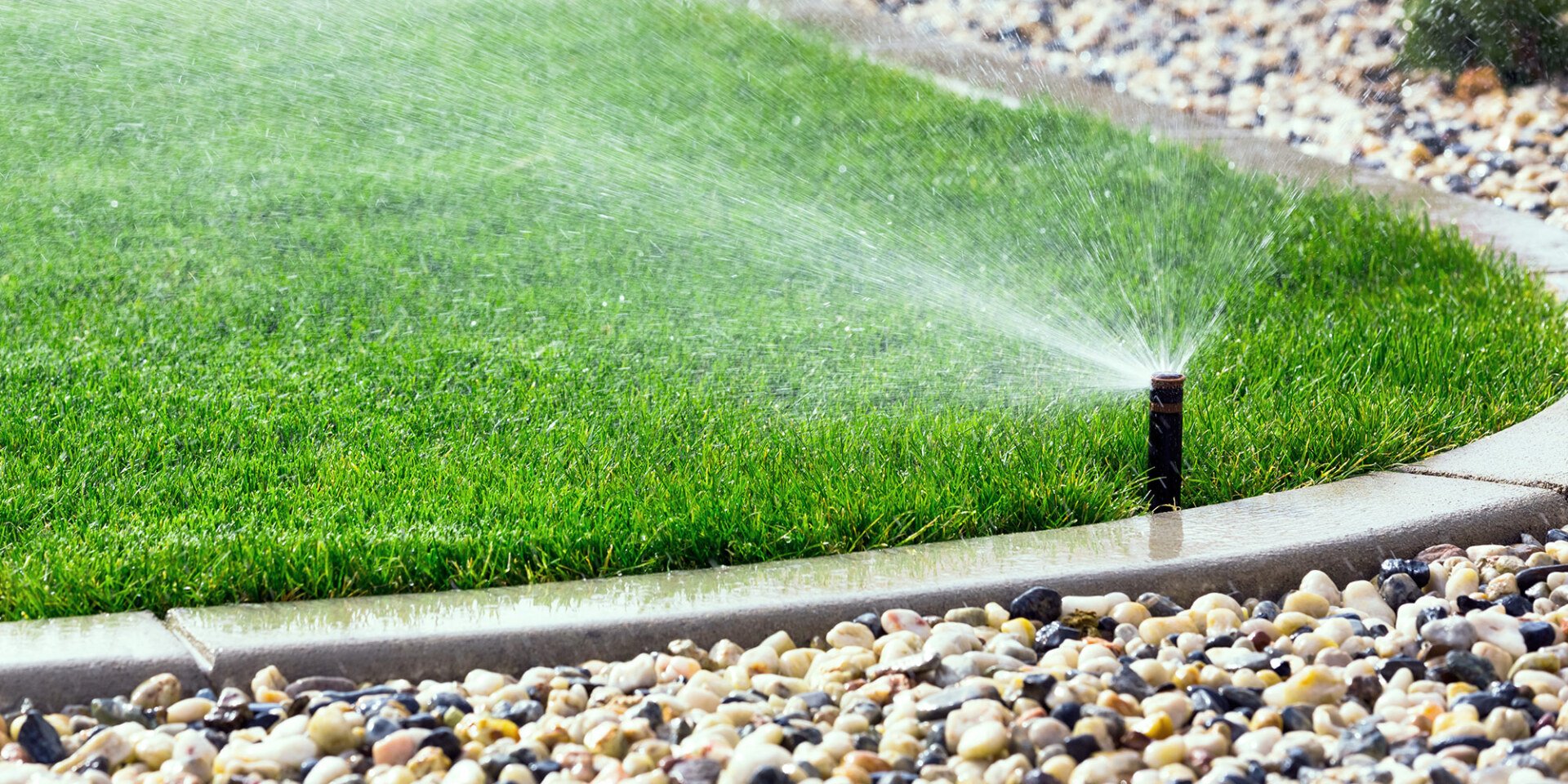
Our comprehensive design and installation services create custom irrigation systems tailored to your property’s unique conditions, from Maui’s salt air and trade winds to varying soil types and microclimates.

We handle everything from initial site analysis and zone planning to professional installation using commercial-grade equipment and materials built to withstand Hawaii’s challenging environment.

SMART Irrigation - Treasure Valley Landscape
Irrigation Systems - Treasure Valley Landscape

Smart Irrigation technology

Our smart irrigation technology integrates weather-based controllers, soil moisture sensors, and Wi-Fi connectivity to automatically adjust watering schedules based on real-time conditions and seasonal changes. These advanced systems can reduce water usage by up to 50% while maintaining optimal plant health through precise monitoring and automated adjustments.

Water Conservation Services

Our water conservation services include comprehensive irrigation efficiency audits and system upgrades designed to reduce water waste while maintaining healthy, beautiful landscapes. We specialize in converting inefficient spray systems to targeted drip irrigation, optimizing watering schedules, and implementing water-saving technologies that help property owners comply with Maui’s water restrictions and HOA requirements.

Water Management - Irrigation - Treasure Valley Landscape

Most Popular Questions

How do you design irrigation systems that can handle Maui’s varying microclimates and seasonal wind patterns while maintaining water efficiency?

Maui’s microclimates can shift dramatically within just a few miles—Lahaina averages 13 inches of rainfall annually while areas just 10 minutes inland might receive triple that amount.

We start every design with detailed weather data analysis for the specific location, not just general “Maui” averages

For wind patterns, we’ve learned that traditional spray spacing charts don’t apply here. In areas exposed to trade winds, we reduce spray head spacing by 20-30% and use lower-angle nozzles to prevent water drift. We also orient spray patterns to work with prevailing winds rather than against them.

The key is creating multiple small zones rather than large ones—this allows us to fine-tune watering times and amounts for each area’s specific exposure and plant needs.

What factors determine the optimal spacing and pressure requirements for spray heads in Maui’s volcanic soil conditions?

Volcanic soil creates unique challenges because it can be extremely porous in some areas and form an impermeable hardpan layer in others. We always perform percolation tests at multiple depths before finalizing spray head placement.

In highly porous areas, we use lower precipitation rate nozzles and longer run times to prevent water from running straight through the root zone. Where hardpan exists, we focus on cycle-and-soak programming with closer head spacing to ensure uniform coverage without runoff.

Pressure requirements also vary significantly—we’ve found that maintaining 28-32 PSI at the heads works best here, but the supply pressure might need to be 45-60 PSI depending on elevation changes and pipe friction losses from longer runs to avoid salt-sensitive plants.

How do soil infiltration rates in different areas of Maui affect irrigation zone design and scheduling?

The infiltration rate variations across Maui are honestly dramatic. We’ve measured rates as low as 0.1 inches per hour in some clay-heavy areas and over 4 inches per hour in volcanic cinder zones. This directly impacts how we zone systems—fast-draining areas need frequent, shorter cycles, while clay areas require longer intervals between watering with cycle-and-soak programming.

What many people don’t realize is that infiltration rates also change seasonally as soil biology fluctuates. We design zones with this flexibility in mind and program controllers with multiple seasonal schedules. Areas with infiltration rates below 0.5 inches per hour get dedicated drip zones regardless of plant type, because spray irrigation just creates runoff and waste.

What are the specific backflow prevention requirements for irrigation systems in Maui County, and how do they differ from mainland standards?

Maui County requires reduced pressure principle (RP) backflow preventers for all irrigation connections, which is actually stricter than many mainland jurisdictions that allow double-check assemblies for residential systems.

The county also requires annual testing and certification, and here’s what most contractors don’t tell you—the device must be installed at least 12 inches above the highest downstream irrigation component, which can be tricky with sloped properties.

We also have to account for the salt air environment, so we exclusively use bronze or stainless steel assemblies rather than iron, which corrode quickly here. The testing requirements are strictly enforced, and we’ve seen properties get water service disconnected for non-compliance, so we always handle the certification process for our clients.

How do you address salt buildup and corrosion issues in irrigation systems near Maui’s coastline, particularly in areas like Lahaina and Wailea?

Salt exposure within two (2) miles of the ocean requires completely different material specifications.

Standard galvanized fittings will fail within 18 months, so we use only bronze, stainless steel, or high-grade plastics for all above-ground components.

For buried systems, we’ve learned that PVC pipe actually performs better than polyethylene in salt environments because it’s less permeable. The real challenge is salt buildup in spray heads and drip emitters—we install filtration systems and program monthly high-pressure flushing cycles to clear salt deposits.

In severe exposure areas like beachfront Wailea properties, we also install sacrificial anode systems similar to boat applications to protect metallic components. Regular maintenance every 3-4 months is essential rather than the typical 6-month schedule inland.

What irrigation strategies work best for properties that must comply with both county water restrictions and HOA landscape requirements?

This is probably our most common challenge, especially in planned communities where HOAs mandate lush landscapes but county restrictions limit watering windows.

The solution is precision zone design and smart controllers that maximize efficiency within allowed timeframes. We create separate zones for HOA-mandated “showcase” areas like entry landscaping and more practical zones for private areas.

Drip irrigation for all planting beds is non-negotiable—it allows precise water delivery during restricted hours without waste. We also install soil moisture sensors that can override normal schedules when conditions allow, ensuring plants get adequate water while staying within usage limits.

Documentation is crucial too; we provide detailed water budgets and efficiency reports that HOAs can use to justify landscape maintenance to homeowners.

How do weather-based irrigation controllers perform in Maui’s unique trade wind environment, and what adjustments are needed for optimal performance?

Weather-based controllers work well here, but they need significant calibration adjustments for trade wind effects. Standard ET calculations don’t account for the constant air movement we get, which increases plant water needs by 15-25% over mainland conditions. We’ve found that controllers using on-site weather stations perform much better than those relying on regional weather data, because conditions can vary dramatically even within Kahului.

The key adjustment is setting higher wind factors in the programming—we typically use 1.3-1.5x multipliers for exposed areas. Solar radiation settings also need tweaking because of our latitude and the intensity of tropical sun. Most importantly, these controllers need monthly fine-tuning during seasonal transitions when trade wind patterns shift.

What’s the difference between ET-based controllers and soil moisture sensors, and when should each be used in Maui’s climate?

ET controllers calculate water needs based on weather conditions and plant types, while soil moisture sensors measure actual soil conditions. In Maui’s variable climate, we often use both together for optimal results.

ET controllers excel in areas with consistent conditions and established plantings, but they can over-water during unexpected rain events or under-water during unusually windy periods. Soil moisture sensors are invaluable in areas with drainage variations or mixed soil types—common here due to volcanic activity.

For new landscapes or areas with amended soils, sensors prevent over-watering during the establishment period. We typically recommend ET controllers for mature lawns and established garden areas, with soil sensors in planting beds and areas with unique drainage characteristics. The combination prevents both drought stress and water waste.

How can smart irrigation technology help property owners track water usage and demonstrate compliance with conservation mandates?

Modern smart controllers provide detailed usage reporting that’s becoming increasingly valuable for regulatory compliance and utility rebate programs. The systems we install track water usage by zone, time of day, and even weather conditions, creating comprehensive reports that clearly show conservation efforts.

During drought restrictions, these reports can demonstrate compliance with percentage reduction requirements. Some newer systems even integrate with utility smart meters to provide real-time usage alerts.

For commercial properties, this documentation is essential for LEED certification maintenance and can support water budget variance requests with the county. The historical data also helps identify efficiency improvements—we’ve helped clients reduce usage by 40% simply by analyzing and optimizing their existing systems based on controller data.

What maintenance schedule is recommended for irrigation systems exposed to Maui’s salt air and intense UV radiation?

Salt air and UV exposure accelerate system degradation significantly compared to mainland conditions. We recommend quarterly inspections for coastal properties (within 1 mile of ocean) and semi-annual for inland areas.

The quarterly schedule focuses on cleaning salt deposits from spray heads, checking for UV damage to exposed tubing, and testing backflow preventers for corrosion. UV damage is particularly problematic with drip irrigation—we’ve seen poly tubing become brittle and fail after just 18 months of sun exposure. That’s why we always recommend UV-resistant tubing and shade cloth protection for exposed runs.

Controller programming should also be reviewed quarterly to adjust for seasonal plant needs and wear patterns. Annual professional service should include pressure testing, valve rebuilding, and replacement of wear components like diaphragms and solenoids that deteriorate faster in our humid, salt environment.

How do you prevent and address common issues like clogged emitters in drip systems when using Maui’s hard water supply?

Maui’s water has high mineral content, particularly calcium and iron, which creates persistent clogging issues in drip systems.

Prevention starts with proper filtration—we install 120-mesh screen filters as a minimum, with disc filters for systems over 50 emitters. Monthly acid flushing with citric acid solution dissolves mineral buildup before it becomes problematic. We’ve also started using pressure-compensating emitters with larger orifices (2 GPH minimum) in high-mineral areas, even though it means shorter run times.

Self-flushing dripline has proven invaluable for large bed areas. When clogs do occur, we use a systematic approach: first mechanical cleaning with compressed air, then chemical treatment with chelating agents for stubborn mineral deposits.

The key is addressing issues early—completely blocked emitters often can’t be restored and require replacement.

What are the warning signs that an irrigation system needs professional assessment rather than basic repairs?

Several indicators suggest systemic issues requiring professional evaluation rather than quick fixes

Uneven water pressure across zones often indicates undersized piping, pump problems, or significant leaks in the main lines. Brown patches that move around the lawn seasonally typically mean inconsistent spray patterns due to worn components or incorrect spacing.

Constantly running pumps suggest major leaks or pressure tank failure. High water bills without obvious leaks might indicate inefficient programming or component failures causing over-watering.

Controller issues like zones not turning on randomly, or multiple zones running simultaneously when programmed separately, often indicate electrical problems requiring diagnostic equipment.

Most telling is when “simple” repairs keep recurring—if you’re replacing the same components repeatedly, there’s usually an underlying design or installation issue that needs systematic correction.

How do you plan irrigation systems that can adapt to future landscape changes or water restriction modifications?

Future-proofing irrigation systems requires designing with flexibility as a core principle. We install larger main lines than current needs require, typically sizing for 150% of immediate demand to accommodate future zones or higher-efficiency components.

Valve manifolds are designed with extra capacity and isolation valves that allow system modifications without complete shutdowns. We also pre-wire for additional zones and install conduit to areas likely to need future irrigation.

Smart controllers with expandable modules are essential—we can add zones, sensors, and weather stations as needs evolve.

For water restrictions, we design multiple programming scenarios from the start: normal operations, 25% reduction, 50% reduction, and emergency restrictions. This pre-planning allows quick adaptation to changing regulations without system reconstruction.

Separate zones for different plant categories also provide flexibility to prioritize water usage during restrictions.

What’s the typical ROI timeline for upgrading from a basic timer system to smart irrigation technology in Maui’s water rate environment?

With Maui’s current water rates averaging $8-12 per 1,000 gallons depending on usage tiers, smart irrigation upgrades typically pay for themselves in 18-36 months through reduced consumption. The exact timeline depends on current system efficiency and property size.

A 5,000 square foot residential system might save $150-300 per month with proper smart controller programming and sensor integration.

Commercial properties see faster returns—we’ve documented 40-60% usage reductions on poorly programmed systems, creating monthly savings of $500 to $2,000.

Beyond direct water savings, smart systems reduce labor costs for commercial properties by eliminating manual adjustments and reducing plant replacement from over or under-watering. The ROI calculation also includes avoided costs from drought fines and water usage overages.

Many of our clients break even within two years and continue saving money throughout the system’s 10-15 year lifespan.

Areas of Expertise

Residential

HOAs, Master Planned Communities, Multi-Family Residential

Office

Commercial offices, Corporate Campuses, Industrial Facilities, Creative Office Spaces

Medical

Hospitals, Medical Centers, Rehabilitation, MOBs, Acute Care Centers

Education

Colleges, Universities, K-12 Schools

Recreation

Parks and Civic Spaces, Golf Courses, Museums, Theme Parks Complexes and Fields

Retail

Retail and Lifestyle Centers, Shopping Malls, Mixed Use Developments

Hospitality

Hotels, Destination Resorts, Country Clubs, Theme Parks

religion

Places of Worship, Cemeteries

Areas of Service

The areas highlighted in green represent the service areas for He-Man Landscaping.

SPEAK WITH AN EXPERT

"*" indicates required fields

Choose Appointment*
Type of service
What is the preferred time to call you

Your Information

Name*

(808) 877-6666

services@hemanservices.com

Serving:
Lahaina, HI
Kahului, HI
Wailea, HI
and surrounding areas

He-Man Landscaping, a Sperber Company.

INTEGRITY HOTLINE
Mobile: sperbercompaniesmobile.ethicspoint.com
Online: sperbercompanies.ethicspoint.com
Phone: 844-718-1260
We are an Equal Opportunity Employer.
  • Blog
  • Reviews
  • Contact Us
  • Careers
  • Terms of Use
  • Privacy Policy
  • Copyright ©2025

Subscribe for more information

He-Man Landscaping - Serving: Lahaina, HI, Kahului, HI, Wailea, HI
Cleantalk Pixel