
Lethal yellowing disease represents one of the most devastating threats to coconut palm populations worldwide. This phytoplasma-caused disease has already claimed millions of palms across the Caribbean, Florida, and parts of Africa, making proper management essential for anyone cultivating these valuable trees. Understanding how to identify, manage, and prevent this disease can mean the difference between a thriving grove and complete loss.
Recognizing the Enemy
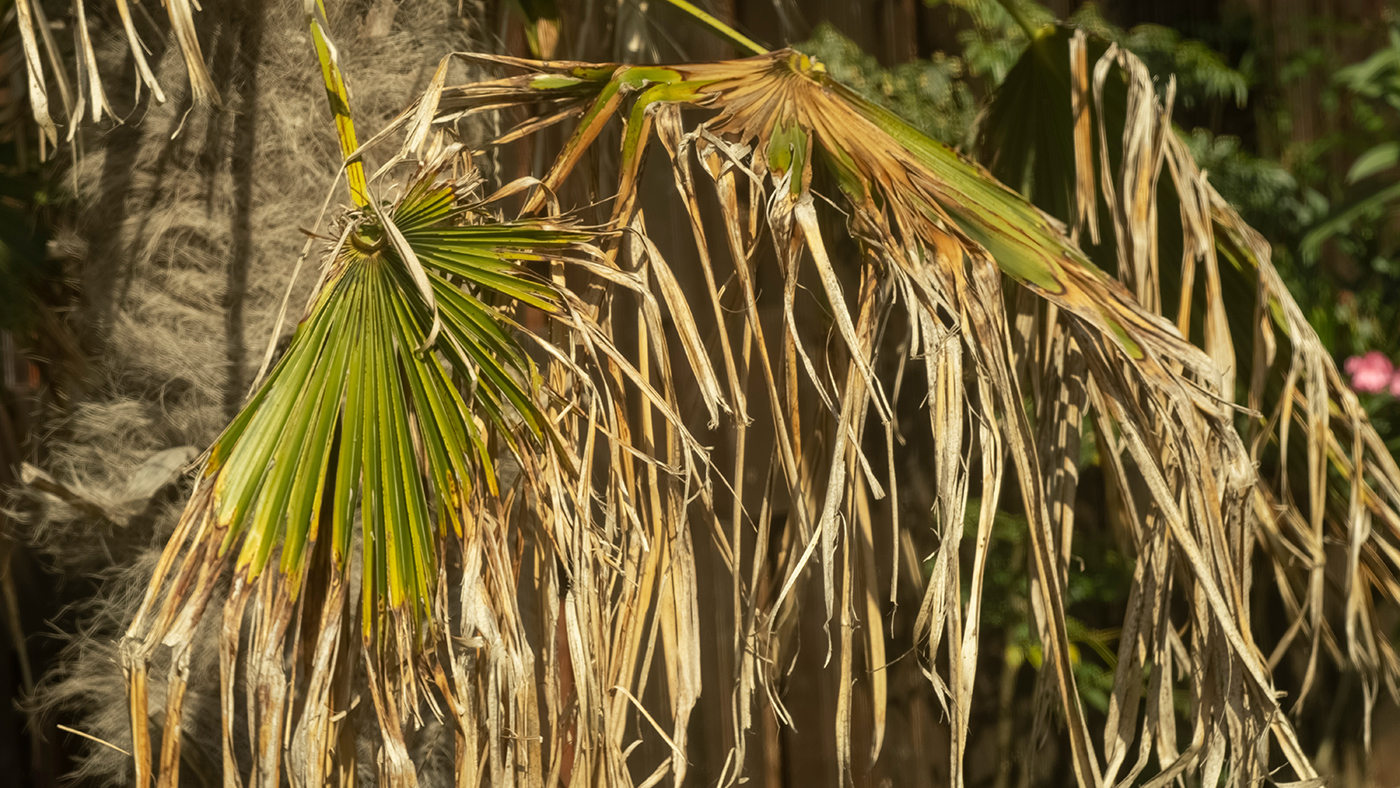
Lethal yellowing disease begins subtly but progresses rapidly once symptoms appear. The first sign is typically the premature dropping of coconuts, regardless of their maturity. This occurs because the phytoplasma disrupts the palm’s vascular system, cutting off nutrient flow to developing fruits. Following the nut drop, the oldest fronds begin yellowing from the tips inward, creating the characteristic “yellowing” that gives the disease its name.
As the disease progresses, the yellowing moves systematically from older to younger fronds, eventually reaching the crown. The growing point turns brown and collapses, at which point the palm is beyond saving. From first symptoms to death, the process typically takes three to six months, making early detection crucial for any management strategy.
Immediate Management of Affected Palms
When lethal yellowing is confirmed in a palm, immediate action is essential. The most critical step is the complete removal and destruction of the infected palm, including the entire root system. This isn’t just about removing the visible tree – the phytoplasma can survive in root fragments, potentially reinfecting the area or spreading to nearby palms.
Removal should be conducted by professionals using proper equipment to ensure complete extraction. The removed material must be burned or buried deeply away from any palm plantings. Never compost infected palm material or use it for mulch, as this can spread the pathogen.
For palms showing early symptoms, some growers attempt antibiotic treatment using oxytetracycline injections. This approach requires professional application and may provide temporary relief, but it’s not a cure. Treated palms often succumb to the disease eventually, making removal the more reliable long-term strategy.
Protecting Adjacent Palms
The key to protecting healthy palms lies in understanding how diseases are transmitted. Lethal yellowing spreads primarily through planthopper insects, particularly the American palm cixiid (shown below). These tiny insects feed on infected palms and transfer the phytoplasma to healthy trees during subsequent feeding.

Vector control becomes crucial in areas with confirmed lethal yellowing. Regular insecticide applications targeting planthoppers can reduce the transmission risk, although this requires an ongoing commitment and professional guidance to ensure proper timing and product selection. Systemic insecticides applied as soil drenches or trunk injections often provide longer-lasting protection than foliar sprays.
Creating buffer zones around infected areas helps limit the spread of disease. Remove any wild or ornamental palms within a 150-foot radius of confirmed cases, as these can serve as reservoirs for both the pathogen and its vectors. This aggressive approach may seem extreme, but it’s often necessary to prevent larger losses.
Long-term Prevention Strategies
The most sustainable approach to lethal yellowing management involves planting resistant varieties. Malayan Yellow Dwarf coconuts show strong resistance to the disease, as do certain hybrid varieties. When replacing lost palms or establishing new plantings, prioritize these resistant cultivars over susceptible varieties, such as Jamaica Tall.
Regular monitoring forms the backbone of any prevention program. Monthly inspections of all palms, with particular attention to nut drop and frond coloration, enable early detection when management options remain viable. Train staff to recognize early symptoms and establish clear protocols for reporting suspicious cases
Maintaining overall palm health through proper nutrition and irrigation creates additional resilience against disease pressure. Well-maintained palms may resist infection for longer and respond more effectively to treatment attempts.
Moving Forward
Lethal yellowing disease requires a comprehensive, proactive approach that combines immediate response protocols, vector management, and long-term planning with the use of resistant varieties. While the disease poses a serious threat, growers who consistently implement these strategies can protect their investments and maintain productive coconut operations, even in affected regions. The key lies in early detection, swift action, and unwavering commitment to proven management practices.