• About
  • Services
    • Tree Care Services
    • Landscape Maintenance
    • Landscape Design & Installation
    • Irrigation Services
  • Reviews
  • Careers
  • Blog
  • Contact
  • About
  • Services
  • Projects
  • People
  • Reviews
  • Careers
  • Blog
  • Contact

Tree Care Services

Expert arborist provide comprehensive tree care services including pruning, tree removal, disease treatment, and emergency services. We are pros dedicated to tree health and safety.

Request Service

"*" indicates required fields

Choose Service(s)*
Service type
What is the preferred time to call you?

Your Information

Name*
Home / Page / Tree Care Services

Tree Care Services

He-Man Landscaping delivers comprehensive tree care services throughout Maui’s most prestigious communities.

Our certified arborists bring over 30 years of experience to homeowners and businesses in and around Lahaina, Kahului, and Wailea, providing specialized tree care services that protect your investment while enhancing the natural beauty of your property.
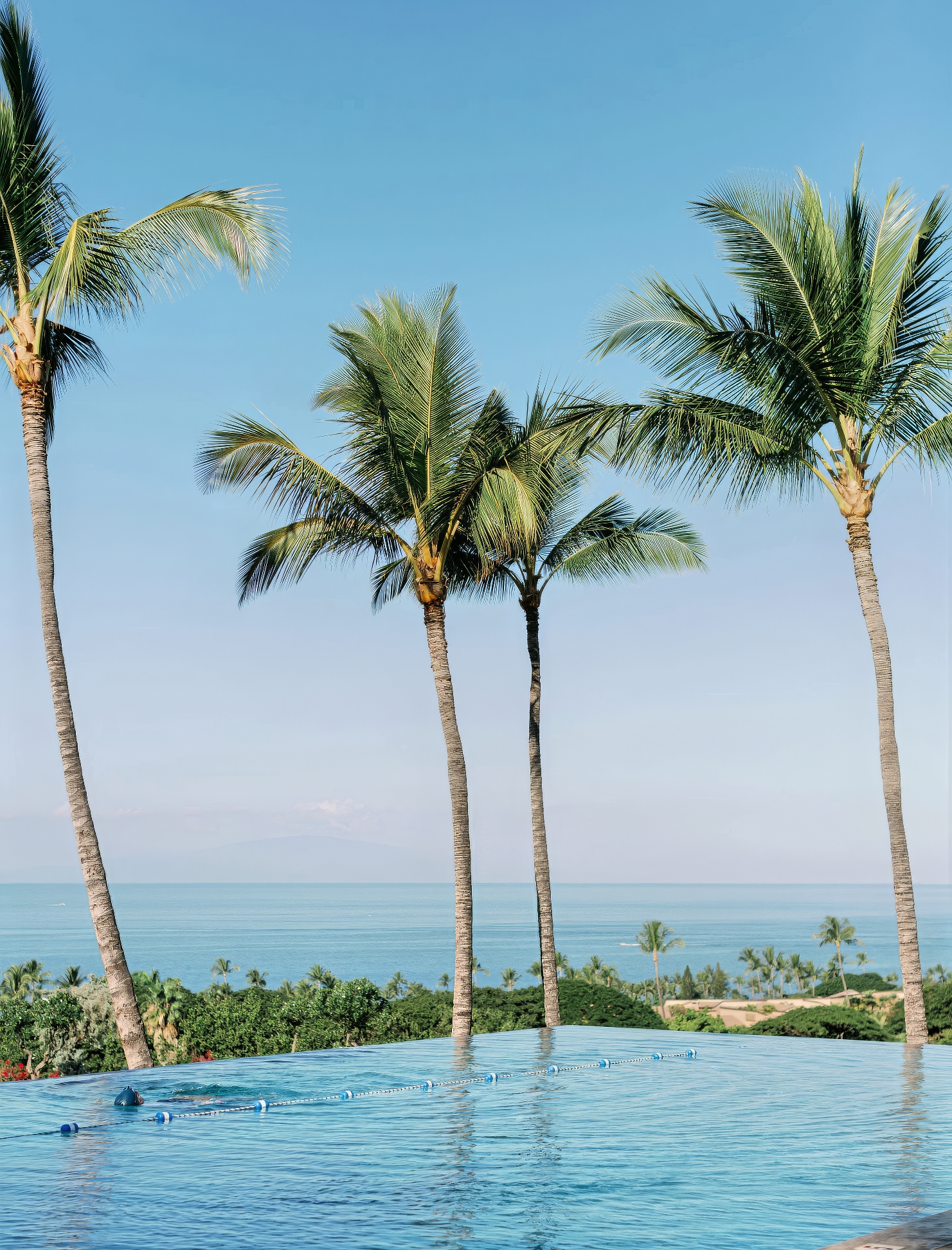
Tree Care Services by He-Man Landscaping - Hawaii

From routine maintenance to emergency tree removal, our licensed team understands the unique challenges that Hawaii’s tropical climate and diverse tree species present to property owners.

Our professional tree service expertise encompasses everything from preventive care to complex removals, ensuring your landscape remains both beautiful and safe year-round.

As ISA-certified professionals with a certified arborist on staff, we provide thorough tree health assessments, precise pruning techniques, and strategic removal services when necessary.

Whether you’re dealing with storm-damaged coconut palms in Lahaina, overgrown monkey pod trees in Kahului, or mature royal palms requiring specialized care in Wailea, our tree care specialists have the knowledge and equipment to handle any situation safely and efficiently.

Hawaii’s unique ecosystem requires specialized tree care services that exceed standard mainland practices. Our certified arborists understand the growth patterns of native Hawaiian species, such as Koa and Ohia, as well as introduced varieties like Plumeria, Banyan, and Norfolk Pine, which thrive in our island environment.

We provide expert consultation on proper fertilization schedules, irrigation management, and pruning techniques tailored to Maui’s unique trade winds, salt air exposure, and volcanic soil conditions. This localized expertise helps your trees maintain optimal health while reducing the risk of property damage from falling branches or unstable root systems.

At He-Man Landscaping, our commitment to professional tree care services extends beyond simple maintenance to include comprehensive landscape management that protects your property value. Our licensed and insured team utilizes industry-leading equipment and adheres to strict safety protocols to ensure that every job is completed to the highest standards.

From emergency storm cleanup to scheduled maintenance programs, we work with residential and commercial clients to develop customized tree care solutions that fit both your budget and your landscape goals.

Trust our certified arborists and experienced tree service professionals to keep your property’s trees healthy, beautiful, and safe.

Contact us today to schedule a comprehensive tree assessment and discover why property owners throughout Maui rely on our expertise for all their tree care needs.

With our proven track record and local knowledge, we’ll help you maintain the lush, tropical landscape that makes your property a true Hawaiian paradise.

Tree Maintenance & Health Services

  • Tree Trimming & Pruning – Professional crown shaping, deadwood removal, and structural pruning
  • Tree Health Assessments – Comprehensive evaluations by certified arborists
  • Disease & Pest Management – Diagnosis and treatment of common Hawaiian tree ailments
  • Tree Fertilization Programs – Customized nutrient management for optimal growth
  • Soil Analysis & Amendment – Testing and improvement of root zone conditions
  • Tree Cabling & Bracing – Structural support systems for weakened or split trees
  • Root Management – Root pruning, barrier installation, and soil decompaction

Tree Removal & Emergency Services

  • Safe Tree Removal – Complete removal of hazardous, diseased, or unwanted trees
  • Emergency Tree Services – 24/7 storm damage response and hazard mitigation
  • Stump Grinding & Removal – Complete stump elimination and site restoration
  • Limb & Branch Removal – Selective removal of problem branches
  • Crane-Assisted Removal – Specialized equipment for complex removals in tight spaces

Specialized Hawaiian Tree Services

  • Palm Tree Maintenance – Coconut, Royal Palm, and Date Palm specialized care
  • Native Hawaiian Tree Care – Koa, Ohia, and other indigenous species management
  • Fruit Tree Pruning – Mango, avocado, citrus, and tropical fruit tree care
  • Canopy Management – Large tree crown reduction and shaping for property safety

Consultation & Planning Tree Services

  • Tree Species Identification – Expert identification and care recommendations
  • Tree Planting Consultation – Species selection and proper planting techniques
  • Tree Preservation Planning – Protecting trees during construction projects
  • Property Tree Surveys – Comprehensive inventory and condition reports
  • Tree Risk Assessments – Professional hazard evaluation and mitigation planning

Commercial Tree Services

  • HOA & Property Management – Ongoing maintenance programs for communities
  • Hotel & Resort Tree Care – Large-scale landscape tree management
  • Construction Site Tree Protection – Preservation services during development
  • Municipal Tree Services – Public space and roadway tree maintenance
Member: ISA  -  He-Man Landcaping - Hawaii
Certified Arborist - ISA - He-Man Landscaping 0 Hawaii
CTSP - Tree Care Industry Association - Certified Treecare Safety Professional - He-Man Landscaping - Hawaii
Member TCTA: Voice of Tree Care - He-Man Landscaping - Hawaii
Accredited Tree Care Industry Association - He-Man Landcaping - Hawaii

Tree Pruning and Trimming

Our professional tree care service provides crown shaping, deadwood removal, and structural pruning designed to enhance the health, appearance, and safety of your trees.

Tree Service - Treasure Valley Landscape

PALM TREE MAINTENANCE

Hawaii’s iconic coconut, royal, and date palms require specialized care to maintain their stunning beauty and structural integrity in our tropical climate.

Our certified arborists provide expert palm trimming, frond removal, and health assessments that keep your palms looking magnificent while preventing hazardous falling fronds and coconuts.

You can trust our proven palm care techniques to preserve these majestic trees that define your Hawaiian paradise.

HOA & Property Management

Maintain your community’s pristine Hawaiian landscape with our comprehensive tree care program designed specifically for homeowner associations (HOAs) and property management companies.

Our certified arborists provide scheduled maintenance, coordinated palm care, and proactive health assessments that keep your common areas looking resort-quality while protecting property values and resident safety.

From coordinating large-scale pruning projects to managing emergency tree services across multiple properties, we deliver the consistent, professional care that makes your community the envy of Maui.

Tree Service - Treasure Valley Landscape

Tree Risk Assessment

Protect your investment with professional tree risk assessments that identify potential hazards before they become dangerous situations.

Our certified arborists evaluate structural integrity, root stability, and environmental factors affecting your trees, particularly tall palms and mature specimens that could pose risks to businesses, homes, vehicles, and pedestrians during Hawaii’s frequent trade winds and storms.

Each assessment includes a detailed mitigation plan with prioritized recommendations, giving you the peace of mind that comes from proactive tree safety management.

Most Popular Questions

How do Hawaii’s volcanic soils and high salt air exposure affect long-term tree health planning for coastal properties?

Hawaii’s volcanic soils present unique challenges that most mainland arborists never encounter. The high porosity means excellent drainage – great for preventing root rot – but it also means nutrients leach out quickly, especially with our frequent heavy rains. We see this constantly in Wailea and oceanfront Lahaina properties where homeowners wonder why their expensive landscape installations struggle despite regular watering.

The real problem is micronutrient deficiency. Volcanic soils are typically low in essential elements like iron, manganese, and zinc. Trees near the ocean get hit with a double whammy – salt spray burns foliage and interferes with nutrient uptake through the roots. We’ve learned that traditional mainland fertilization schedules don’t work here. Instead, we recommend more frequent applications of chelated micronutrients and organic matter amendments.

For coastal properties, we always factor in salt tolerance when selecting species. Even coconut palms, which people assume love salt air, can develop frond burn when trade winds are particularly strong. The key is creating buffer zones with salt-tolerant plants like naupaka or ironwood, and positioning sensitive species where they’re protected. Long-term success means planning for soil amendment every 2-3 years rather than the 5-7 year cycles you might use elsewhere.

What’s the proper approach to managing coconut palms that are showing signs of lethal yellowing disease, and how can adjacent palms be protected?

Lethal yellowing is every palm owner’s nightmare, and unfortunately, we’re seeing more cases across Maui. The tricky part is early detection – by the time you see the classic yellowing pattern starting from the bottom fronds and moving up, the palm is often already beyond saving.

The first step is immediate quarantine. We remove all fruiting material – nuts, flowers, everything – because the disease spreads through infected plant material and possibly insect vectors. The affected palm needs to come down as soon as possible, and here’s the critical part: the entire palm, including the root system, needs proper disposal. We’ve seen property owners try to save money by leaving stumps, but that just creates a reservoir for the pathogen.

For adjacent palms, we start immediate antibiotic treatments using oxytetracycline hydrochloride injections directly into the trunk. It’s not cheap – treatments run every four months for at least two years – but it’s the only proven prevention method. We also improve overall palm health through proper fertilization with manganese and magnesium, since stressed palms are more susceptible.

The hardest conversation we have with clients is explaining that even with aggressive treatment, there’s no guarantee. We always recommend diversifying palm species rather than replanting the same variety. Malayan Dwarf Ccoconuts show better resistance than Jamaica Talls, and mixing in some Royal Palms or Bottle Palms reduces your risk of losing everything to one disease.

When should property owners consider structural root zone modifications for mature trees planted too close to foundations during Hawaii’s building boom decades ago?

This is probably our most common consultation call, especially in older Kahului and Lahaina neighborhoods where developers planted fast-growing trees like African Tulips and Cook Pines right against houses back in the 80s and 90s. Nobody was thinking about mature size back then.

The decision point usually comes when you start seeing foundation cracks, uneven concrete, or plumbing issues. But by then you’re already playing catch-up. We tell clients be proactive when trees are within one-and-a-half times their mature canopy width of any structure. For a Cook Pine that might eventually spread 30 feet, that means intervention when it’s planted closer than 45 feet to your foundation.

Root zone modification isn’t just digging a trench and cutting roots – that often kills the tree or makes it unstable in our trade winds. We use a technique called root zone restructuring where we gradually redirect root growth over 2-3 years using barriers and soil amendments. Sometimes we can install structural root deflectors made from high-density polyethylene that guide roots down and away from foundations.

The reality check comes with cost versus benefit. If you’re looking at $8,000-$12,000 for proper root modification on a mature tree that may only have 10-15 years of productive life left, removal and replanting with appropriate species often makes more sense. We help clients think long-term – what will this property look like in 20 years, and what’s the total cost of keeping versus replacing?

How do you determine if a large banyan or Monkey Pod tree requires professional cabling systems versus selective crown reduction to manage wind load?

This decision comes down to structural analysis, and it’s where having certified arborists really matters. Both Banyans and Monkey Pods are notorious for developing heavy, spreading crowns that create massive wind resistance. During our typical 25-30 mph trade winds, these trees are constantly flexing, and that’s before we even talk about storm conditions.

We start with a detailed assessment of the tree’s structure. Banyans with multiple trunks often develop weak union points where major branches join. If we’re seeing bark inclusion or stress cracks in these unions, cabling becomes essential.

Monkey Pods tend to develop long, horizontal branches that create leverage problems – the bigger the branch, the more force it puts on the attachment point during wind events.

Cabling works best when the tree has good overall health and strong attachment points for the cable anchors. We use dynamic systems that allow some movement while preventing catastrophic failure. But if a tree has extensive dead wood, declining health, or compromised structural integrity, crown reduction is usually the safer choice.

Crown reduction is also our go-to for trees near power lines or buildings where failure could be catastrophic. We can typically reduce wind load by 40-60% through selective removal of end weight while maintaining the tree’s natural form. The downside is it’s ongoing maintenance – you’ll need follow-up pruning every 3-4 years as the tree responds with new growth.

For really valuable specimen trees, we sometimes combine both approaches: selective crown reduction to immediately reduce risk, followed by strategic cabling to manage long-term structural issues. It’s more expensive upfront, but it’s often the best way to preserve irreplaceable mature trees while keeping everyone safe.

What are the specific pruning timing considerations for native Hawaiian trees like Koa and Ohia that differ from mainland arboriculture practices?

Working with native Hawaiian trees requires completely different timing than what most arborists learn in mainland training programs. These species evolved with Hawaii’s unique seasonal patterns, and ignoring that can seriously damage or even kill mature specimens.

Koa trees are particularly sensitive to pruning timing. We never prune during their active growing season from March through August. Koa puts out new growth in flushes, and cutting during this period disrupts their energy allocation and makes them susceptible to dieback. The ideal window is September through February, with November and December being optimal. During these months, the tree is in its dormant period, and wounds heal slowly but properly.

Ohia presents even bigger challenges because of Rapid Ohia Death (ROD). Any pruning tools that touch ohia must be sterilized with 70% isopropyl alcohol between every single tree – no exceptions. We’ve seen entire groves die because someone used contaminated equipment. Timing-wise, Ohia pruning should happen during the driest months (typically September through November) when fungal spores are less likely to spread through moisture.

The other major difference is wound treatment. Mainland practices often leave cuts completely untreated, but Hawaii’s year-round moisture and pathogen pressure means we apply protective wound dressings to large cuts on native species. It’s not about sealing the wound – it’s about preventing pathogen entry during the critical early healing period.

Both species also require much more conservative pruning than mainland trees. We never remove more than 20% of live crown in a single season, and often spread major pruning over 2-3 years. Native trees here have adapted to steady growth conditions, and aggressive pruning can shock them into decline. Patience is essential – these trees have been here for thousands of years, and they deserve respect for their natural growth patterns.

How should resort and commercial properties develop comprehensive tree succession planning to maintain their landscape investment over decades?

Most resort properties we work with have never thought beyond their initial landscape installation, and that’s a costly mistake. A comprehensive succession plan starts with understanding that your landscape is a depreciating asset that requires strategic reinvestment, just like building systems or furniture.

The foundation is creating a detailed inventory of every significant tree on the property – species, age, condition, and expected lifespan. We use GPS mapping and photographic documentation so future managers can track changes over time. For each tree, we establish replacement timelines. Royal Palms might give you 40-50 years, but fast-growing species like African tulip or octopus trees often decline after 15-20 years.

The key insight most properties miss is staggered replacement. If you planted 200 coconut palms all at once in 1995, they’ll all start declining around the same time. Smart succession planning means replacing 10-15% of your trees every few years rather than facing massive landscape renovation costs all at once. We typically recommend a 20-year rolling replacement schedule for resort properties.

Budget planning is crucial. Most resorts should allocate 3-5% of their annual landscape budget specifically for succession planning. That might seem expensive, but compare it to emergency replacement costs when mature specimen trees fail during peak season. We’ve seen properties spend $50,000-$80,000 on emergency landscape restoration after storm damage that could have been prevented with proactive succession planning.

Location-specific factors matter enormously here in Hawaii. Oceanfront trees face salt stress and wind damage, so they need replacement more frequently than protected inland specimens.

We also factor in guest safety – removing aging Coconut Palms from pool areas before they become liability issues, even if they still look healthy. The goal is maintaining that lush, established look while ensuring long-term sustainability and safety.

What factors determine whether a declining tree should undergo expensive treatment attempts versus strategic removal and replacement?

This is probably the hardest decision we help clients make, and there’s no simple formula. It comes down to analyzing multiple factors, such as:

1. The tree’s realistic recovery potential
2. The total treatment costs versus replacement costs
3. The timeframe for improvement
4. The tree’s strategic importance to the overall landscape.

First, we assess the underlying cause of decline. If it’s a correctable issue like nutrient deficiency or irrigation problems, treatment usually makes sense. But if we’re dealing with root rot, structural damage, or species-specific diseases like coconut palm weevil damage, the prognosis is often poor regardless of intervention costs.

Cost analysis gets complicated because treatment is rarely a one-time expense. Take a mature monkey pod tree with extensive deadwood and declining health. Professional treatment might include root zone aeration, soil amendments, systemic treatments, and ongoing monitoring. We’re typically looking at $3,000-$5,000 initially, plus annual follow-up costs of $800-$1,200. If the tree has a realistic 5-7 year remaining lifespan even with treatment, you’re spending $8,000-$12,000 to buy a few years.

Compare that to removal and replacement costs. Removing a large tree safely might cost $2,000-$4,000, and a quality replacement specimen runs $1,500-$3,500 installed. Your new tree gives you 20-30+ years of service life. The math often favors replacement, especially for commercial properties where appearance matters.

But there are exceptions. Irreplaceable specimen trees – like a 100-year-old Banyan or Heritage Coconut Palms – justify higher treatment investments because replacement is impossible. We’ve worked with clients who spent $15,000-$20,000 treating valuable specimen trees, and it was the right decision because those trees define the property’s character.

The decision timeline also matters. If you’re planning major renovations in 3-5 years anyway, expensive tree treatment rarely makes sense. Better to manage decline safely until renovation, then start fresh with appropriate species for your new landscape design.

How do you balance preserving mature specimen trees during property renovations with necessary infrastructure improvements?

This challenge comes up constantly in Hawaii where property values have skyrocketed and owners want to maximize their investments while preserving the mature landscape that attracted them originally. The key is bringing tree preservation into the planning process early, not as an afterthought.

We start by identifying which trees are truly irreplaceable versus those that just happen to be large. A 30-year-old Cook Pine can be replaced relatively easily, but a mature Monkeypod or Heritage Coconut Grove represents decades of growth that can’t be replicated. These become the anchor points around which we design construction access and utility routing.

Critical root zone protection is non-negotiable for trees we’re committed to saving. We establish no-disturbance zones extending at least to the drip line, often farther for shallow-rooted species. Any excavation, material storage, or heavy equipment operation inside these zones can kill trees even if they look fine initially. We’ve seen too many expensive specimen trees decline and die 2-3 years after construction because roots were damaged.

Utility conflicts are usually the biggest challenge. Trenching for new electrical, water, or sewer lines often conflicts with major root systems. We work with contractors to route utilities around critical root zones, sometimes adding significant costs for longer trenching or alternative routing. For unavoidable conflicts, we use pneumatic excavation to expose roots, then tunnel underneath major root systems rather than cutting through them.

Construction sequencing matters enormously. We insist on tree protection measures being installed before any other work begins, and we typically require weekly monitoring during active construction. Soil compaction from heavy equipment, grade changes, and construction debris can all compromise tree health in ways that aren’t immediately obvious.

The reality is that comprehensive tree preservation adds 15-25% to typical construction costs through alternative routing, specialized excavation techniques, and extended project timelines. But for properties where mature trees represent significant landscape value – often $50,000 – $100,000+ in replacement costs – it’s usually justified.

What’s the recommended approach for managing trees planted in the wrong locations by previous property owners, considering both removal costs and landscape continuity?

We see this constantly – especially with properties from the 1980s and 1990s when fast-growing species were planted everywhere without considering mature sizes or appropriate placement. Cook Pines next to houses, large banyans near pools, and massive Monkey Pods overwhelming small yards.

The first step is a thorough assessment of each problematic tree’s trajectory. Will the problem get worse over time, or can it be managed? A Royal Palm that’s currently 15 feet from a house foundation might be manageable now, but in 10 years when it’s adding 40-50 pounds of fronds annually, it becomes a maintenance nightmare and potential hazard.

For trees that absolutely need removal, timing and staging are crucial for maintaining landscape continuity. We never recommend removing all problematic trees at once unless there’s immediate safety risk. Instead, we create a phased removal and replacement plan that maintains screening, shade, and aesthetic value throughout the transition.

The key is establishing your replacement trees before removing existing ones whenever possible. If you need screening from neighbors, plant your new hedge or screen trees and let them establish for 1-2 years before removing the problematic specimens. This approach costs more initially because you’re maintaining both old and new trees temporarily, but it prevents the “lunar landscape” effect that makes properties look devastated during transition periods.

Species selection for replacements becomes critical. We always recommend slower-growing, appropriately-sized species even though clients want immediate impact. A 15-gallon Kiawe tree planted in the right location will provide better long-term value than a 100-gallon specimen that will eventually outgrow its space and create the same problems all over again.

Financial planning helps make these transitions manageable. We typically spread major tree transitions over 3-5 years, removing and replacing 2-3 major specimens annually. This keeps ccosts reasonable while ensuring continuous progress toward a sustainable landscape design.

How do seasonal wind patterns and microclimates in different areas of Maui affect tree selection and maintenance scheduling decisions?

Hawaii’s weather patterns are deceptively complex, and most people don’t realize how dramatically conditions vary across relatively short distances. Understanding these patterns is essential for successful tree care, especially when you’re managing properties in different locations.

Trade wind exposure is the biggest variable. Properties on the windward (northeast) side of the island get constant 15-25 mph winds plus periodic stronger gusts. Trees here need either exceptional wind tolerance or strategic wind protection. We see this constantly in Paia and Haiku where exposed coconut palms develop permanent windswept shapes, while the same species in protected Wailea locations grow straight and full.

Elevation changes everything too. Properties above 1,500 feet elevation experience different temperature ranges, humidity levels, and wind patterns. Trees that thrive at sea level often struggle with cooler nighttime temperatures and different moisture patterns at elevation. We adjust species recommendations and maintenance schedules accordingly.

Rainfall patterns create distinct microclimates even within small areas. West Maui locations like Lahaina get 12-15 inches annually, while areas just a few miles inland might receive 40+ inches. This affects irrigation needs, disease pressure, and soil conditions. Fungal problems that are manageable in dry areas become serious issues in high-rainfall zones.

For maintenance scheduling, we’ve learned that trade wind seasons (typically April through September) require different approaches than calmer winter months. Pruning during peak wind season can stress trees that are already working hard to stay upright. We schedule major pruning work during the relatively calm October through March period whenever possible.

Ocean proximity adds another layer of complexity. Properties within a quarter-mile of the ocean deal with salt spray, higher humidity, and different soil conditions. Trees here need more frequent irrigation system maintenance because salt buildup clogs emitters, and we see accelerated corrosion of pruning wounds and hardware.

The practical impact is that we maintain different maintenance calendars for different microclimates. Upcountry properties might get fertilized in March when spring growth begins, while coastal properties need earlier timing to account for different growing patterns.

Wind-exposed trees get structural pruning on different schedules than protected specimens. It’s complicated, but this kind of localized knowledge is what separates experienced Hawaii arborists from mainland companies trying to apply generic practices.

Areas of Expertise

Residential

HOAs, Master Planned Communities, Multi-Family Residential

Office

Commercial offices, Corporate Campuses, Industrial Facilities, Creative Office Spaces

Medical

Hospitals, Medical Centers, Rehabilitation, MOBs, Acute Care Centers

Education

Colleges, Universities, K-12 Schools

Recreation

Parks and Civic Spaces, Golf Courses, Museums, Theme Parks Complexes and Fields

Retail

Retail and Lifestyle Centers, Shopping Malls, Mixed Use Developments

Hospitality

Hotels, Destination Resorts, Country Clubs, Theme Parks

religion

Places of Worship, Cemeteries

Areas of Service

The areas highlighted in green represent the tree service areas for He-Man Landscaping.

SPEAK WITH AN EXPERT

"*" indicates required fields

Choose Appointment*
Type of service
What is the preferred time to call you

Your Information

Name*

(808) 877-6666

services@hemanservices.com

Serving:
Lahaina, HI
Kahului, HI
Wailea, HI
and surrounding areas

He-Man Landscaping, a Sperber Company.

INTEGRITY HOTLINE
Mobile: sperbercompaniesmobile.ethicspoint.com
Online: sperbercompanies.ethicspoint.com
Phone: 844-718-1260
We are an Equal Opportunity Employer.
  • Blog
  • Reviews
  • Contact Us
  • Careers
  • Terms of Use
  • Privacy Policy
  • Copyright ©2026

Subscribe for more information

He-Man Landscaping - Serving: Lahaina, HI, Kahului, HI, Wailea, HI
Cleantalk Pixel